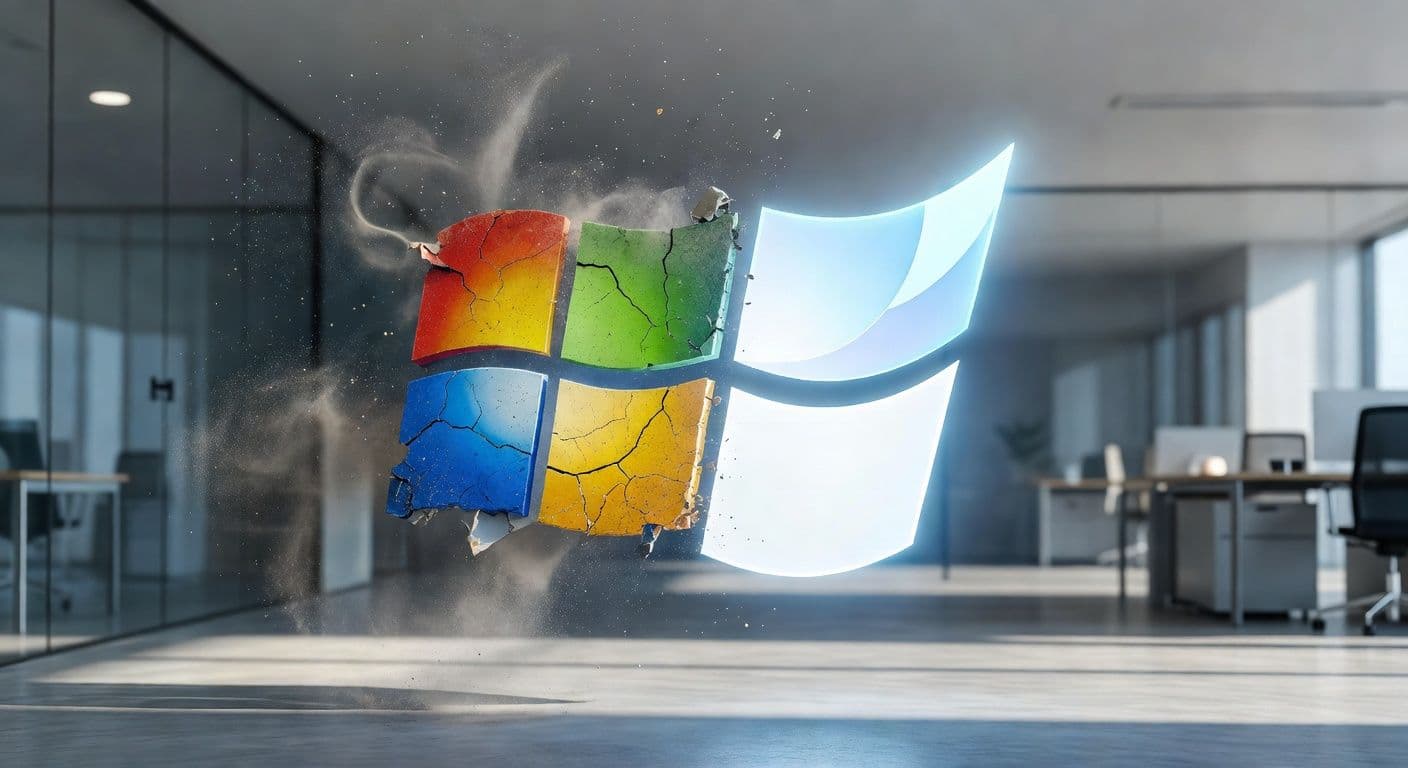
Windows 10 Is Dead. Here's What to Do Before Microsoft Stops Protecting You.
Microsoft is pulling the plug on Windows 10 security updates. If you're still running it, you're about to be unprotected. Here's the upgrade plan that doesn't blow your budget.
Microsoft has officially announced the end of support for Windows 10. After October 2025, no more security patches. No more bug fixes. No more protection against newly discovered vulnerabilities. Your computer will still turn on, but it'll be increasingly exposed every day.
If you're running Windows 10 in your business, here's what you need to know.
Why This Actually Matters
When Microsoft stops patching Windows 10, every new vulnerability that's discovered becomes a permanent, unfixable hole in your security. Hackers know this. They specifically target end-of-life systems because they know the holes won't be patched. It's like leaving your front door unlocked with a sign that says 'we're not fixing this lock.'
This also matters for compliance. If you have cyber insurance, HIPAA requirements, or any regulatory obligations, running an unsupported operating system is a problem. Some insurers will deny claims if you're breached while running EOL software.
The Upgrade Path
Check your hardware first. Windows 11 has stricter hardware requirements than Windows 10. Many computers from before 2019 won't qualify. Run Microsoft's PC Health Check tool on every machine to find out what you're working with.
Budget for replacements. If half your fleet needs new hardware, don't panic. You don't have to do it all at once. Prioritize machines that handle sensitive data or are used by people with admin access.
Plan the rollout. Don't upgrade everyone on the same day. Start with a pilot group, work out the kinks, then roll out in waves. Your users will have questions, and your IT team needs time to support them.
What We Tell Our Clients
Start now, not later. The businesses that plan ahead get to spread the cost over several months and avoid the panic of a last-minute scramble. We've already helped most of our clients through this transition. If you haven't started yet, let's talk.
Want to talk about this?
If anything in this post made you think “wait, is that us?” — let's have a conversation. No pitch, no pressure.
Let's Talk